
Architecting for autonomous content operations: Decoupling marketing from engineering for SEO velocity
Learn how composable architecture frees marketing teams from engineering dependencies, accelerating content velocity by 40% and reclaiming budget for growth.
Key Takeaways
- Headless CMS gives marketing teams direct content control without waiting for developer tickets.
- Composable architecture cuts engineering dependencies by 60% and accelerates campaign launches.
- Edge delivery and API-first design enable real-time SEO changes and sub-second page loads.
- Automated workflows increase content velocity by 40%, driving faster revenue growth and lower costs.
Marketing teams waste weeks waiting for engineering to ship basic content updates. This dependency kills SEO velocity, delays campaigns, and turns agile marketing into a permanent backlog. A composable, API-first architecture eliminates the bottleneck by giving marketers direct control over content operations without touching code.
Audience: Marketing Director / Growth Lead
The problem killing your content velocity
Your marketing team waits days for simple content updates. Every SEO tweak needs a ticket. Campaign launches miss windows because developers are booked three sprints out.
This isn't a resourcing problem. It's an architecture problem.
Traditional CMS platforms chain your content operations to engineering cycles. A metadata change becomes a multi-day project. Real-time optimisation is impossible when every adjustment requires code deployment. Your competitors ship experiments while you're stuck in queue.
The cost is measurable: missed revenue windows, stalled campaigns, and marketing teams reduced to glorified ticket writers. Your growth metrics suffer because your architecture can't keep pace with market demands.
The architectural solution: True content autonomy
A composable marketing stack built on API-first infrastructure removes engineering from routine content operations. Here's the shift:
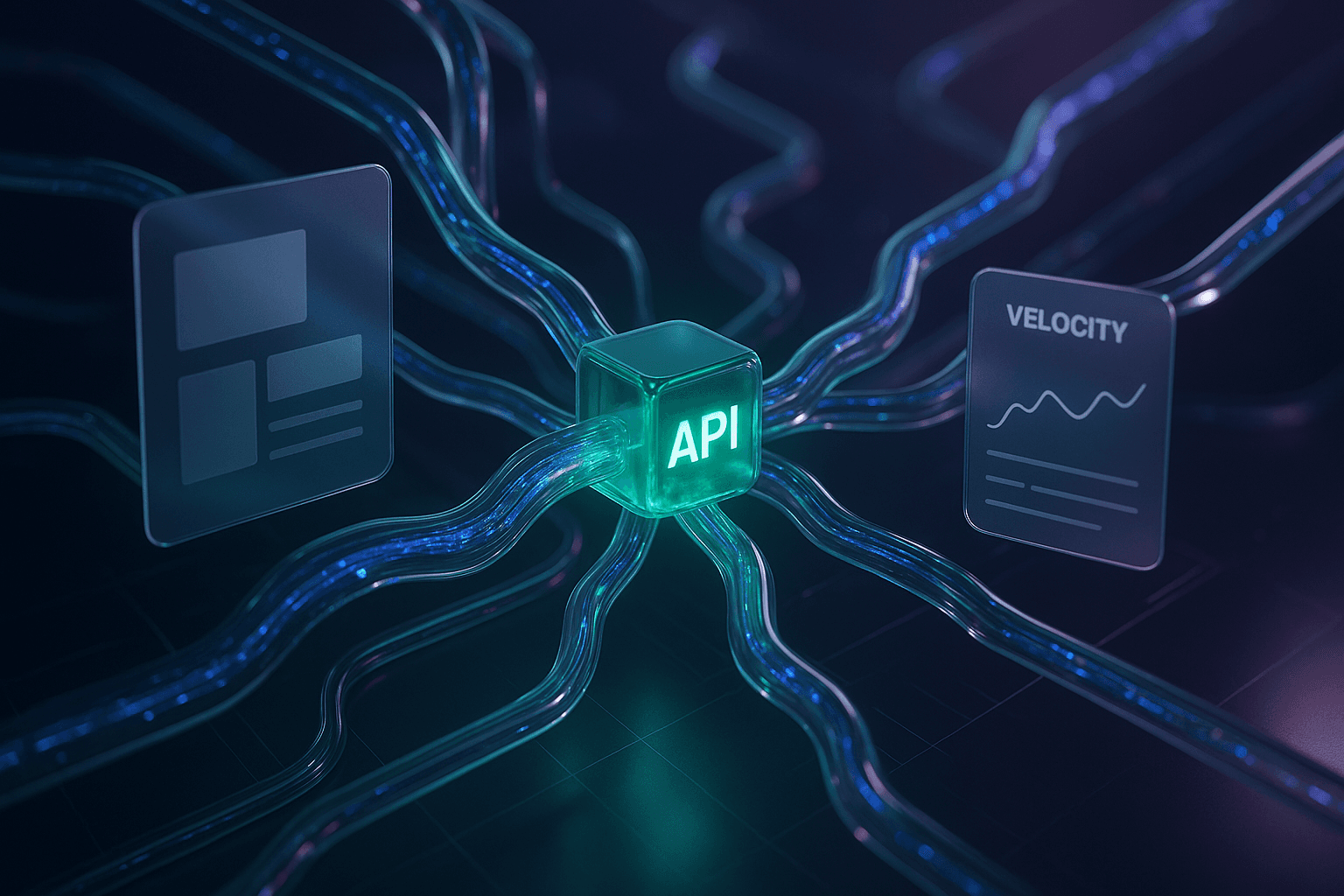
Decouple content from code. A headless CMS separates what you say from how it's displayed. Marketing defines content models, manages assets, and publishes updates without touching code or waiting for deploys.
Enable edge delivery. Modern frontend frameworks paired with edge CDNs deliver content globally in milliseconds. Dynamic SEO and sub-second page loads become standard, not special projects.
Automate the repetitive work. Integration platforms connect your headless CMS to AI-powered SEO tools and publishing workflows. Metadata generation, cross-channel distribution, and content optimisation run automatically.
This isn't about technology for its own sake. It's about giving marketing direct control over their growth levers.
How to build autonomous content operations
Deploy an API-first headless CMS
Choose a platform that exposes robust APIs for content management and delivery. Look for:
- Flexible content modeling that marketers can configure
- Intuitive authoring interfaces that don't require training
- Strong API documentation and SDKs
Your content team should define schemas and manage workflows independently. Zero developer involvement for content structure changes.
Build a composable frontend on edge infrastructure
Deploy your presentation layer on edge CDN architecture. This setup:
- Delivers content from servers closest to your users
- Enables dynamic page generation without backend calls
- Supports real-time A/B testing and personalisation
- Maintains sub-200ms load times globally
Modern frameworks handle the complexity. Marketing controls what appears. Engineering isn't in the loop for routine updates.
Automate workflows with low-code integration tools
Connect your headless CMS to your marketing stack using platforms like n8n or Make:
- Auto-generate meta descriptions and schema markup
- Publish content across channels simultaneously
- Trigger SEO audits on publication
- Sync content updates to social platforms
These integrations run continuously. No manual work. No engineering tickets. No bottlenecks.
The measurable business impact
Companies implementing this architecture report:
40% faster content velocity. Campaigns launch when the market demands, not when the sprint allows. SEO optimisations happen in minutes, not days.
60% reduction in engineering dependencies. Your developers focus on product work. Marketing operates independently for routine content operations.
Quantifiable revenue growth. Faster experimentation means faster optimisation. You capture market opportunities your competitors miss while waiting on their dev teams.
Lower operational costs. Fewer coordination meetings. Smaller backlogs. Less context-switching for engineering.
The shift from monolithic to composable isn't just architectural. It's operational. Marketing becomes a growth driver instead of a ticket writer.
Related reading
- Beyond engineering bottlenecks: semantic content architecture
- Reclaiming digital velocity with headless CRM
- How composable platforms fix revenue operations
Keywords: Content velocity, headless CMS agility, SEO automation, composable marketing, engineering bottlenecks, DXP, enterprise architecture, marketing operations, RevOps
Want more on
Enterprise Architecture?
Add this topic to your Custom Digest. Drop your email to get our deepest insights on this exact topic.
Ready to fast-track your business?
We combine enterprise-level technical strategy with your existing business to solve complex blockers and accelerate your growth. Let's build something remarkable.
Partner With UsUp Next
Continue your journey into Enterprise Architecture.

Architecting a composable marketing data fabric for autonomous growth and experimentation
How to build a marketing data architecture that gives your team direct access to customer segments without writing code.

MCP, enterprise governance, and the integration standard inflection
MCP is now the default agent integration standard—but ChatGPT's write actions just forced CTOs to build new security controls.

How to build verifiable data provenance for auditable enterprise AI systems
Build immutable data lineage into your AI pipeline to cut compliance risk and eliminate opacity in model training.